
Jump scares are regarded as one of the most classic horror movie tropes. Sudden surprise, shock, and fear are created through their use. Audiences are often startled, causing them to jump out of their seats.
A prime  example can be seen in A Nightmare on Elm Street, where Freddy is shown jumping out at Nancy from behind a bush. While this trope is disliked by many, the thrill of being jump-scared is enjoyed by others.
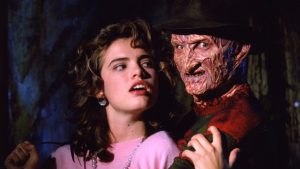 example can be seen in A Nightmare on Elm Street, where Freddy is shown jumping out at Nancy from behind a bush. While this trope is disliked by many, the thrill of being jump-scared is enjoyed by others.
This trope is particularly enjoyed in strong paranormal films. Fear of the supernatural is tapped into, with the idea presented that something evil can take over a person’s body and soul. Intense and terrifying moments are often produced as a result. The notion of an external force entering and controlling a body is unsettling to most.
A standout example is The 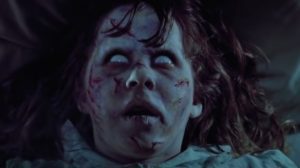 Exorcist, a film credited with launching the supernatural sub-genre. Scenes were included that reportedly caused fainting and protests among audiences.
Exorcist, a film credited with launching the supernatural sub-genre. Scenes were included that reportedly caused fainting and protests among audiences.The use of creepy kids in horror movies is a popular trope. One of the deepest fears of viewers—the corruption of innocence—is tapped into. Children are generally viewed as pure and innocent, so when they are shown as corrupted by evil forces, terror is created in the audience. It is also suggested that no one is truly safe, not even the most innocent.
Notable examples include the children in Children of the Corn (particularly the red-headed Malachai) and Gage in Pet Sematary, both widely regarded as deeply unsettling.
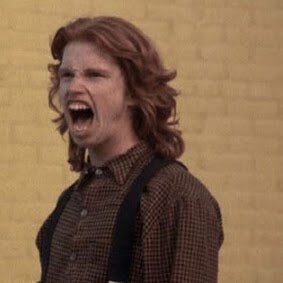 children in Children of the Corn (particularly the red-headed Malachai) and Gage in Pet Sematary, both widely regarded as deeply unsettling.
Tell me a town of demonic children isn’t scary. I find children in horror films the scariest creatures. There is something about being innocent and taken over by evil that does not sit right with me.
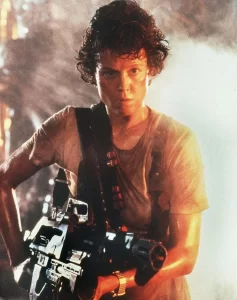
It is worth noting that tropes can also be used to craft memorable characters. Familiarity and understanding are fostered with the audience through tropes such as the Final Girl, the Evil Villain, or the Scream Queen, allowing investment in the characters’ stories.
The Final Girl trope is especially effective, as a strong female lead is typically presented who survives the onslaught of evil and emerges victorious. The Evil Villain trope provides a clear foil to the hero, with the antagonist’s motivations made understandable and the conflict between good and evil highlighted.
The Scream Queen trope introduces a classic archetype, often incorporating comedic relief and increasing memorability.
Favorite tropes or those most disliked can vary widely. In a future article, the most disliked tropes in the horror genre will be discussed, as many exist.
Thank you for reading. Thoughts and comments are welcomed below.

It is I the queen of scream, the puzzle box princess, her horror highness ReAnimateHer.
I am a Horror Junkie with a big appetite for blood, guts, and arse! I create live content on my website and on Twitch.tv/ReAnimateHer